About me
Forever tinkering. Always learning.
I’m a web developer who loves music, technology, and having a good time making things.
Websites, music, stuff out of wood - it doesn't matter what. If you're trying things then you're always learning, and learning makes me happy.
My mantra is simple: Be kind to eachother & never stop learning.
 Photo unavailable
Good people make good things.
I’m a big advocate of ‘Dev can help’: using technology to make people’s lives easier and more joyful. That could mean automating a tedious job, joining up two systems, or helping a pal with some Excel function jujitsu. If it’s helpful to someone or good for the world, I’m in.
These days I’m Director of Digital Experiences at Pretzl. Before that, I spent more than twelve years at Velocity, starting as the first in-house developer and going on to build and lead the dev team.
The best part has always been the people. I love working with smart, wonderful humans who care about what they do, share what they know, and make each other better. There’s a lot to be said for making good things with people you’re glad to spend the day with.
View career timeline Photo unavailable
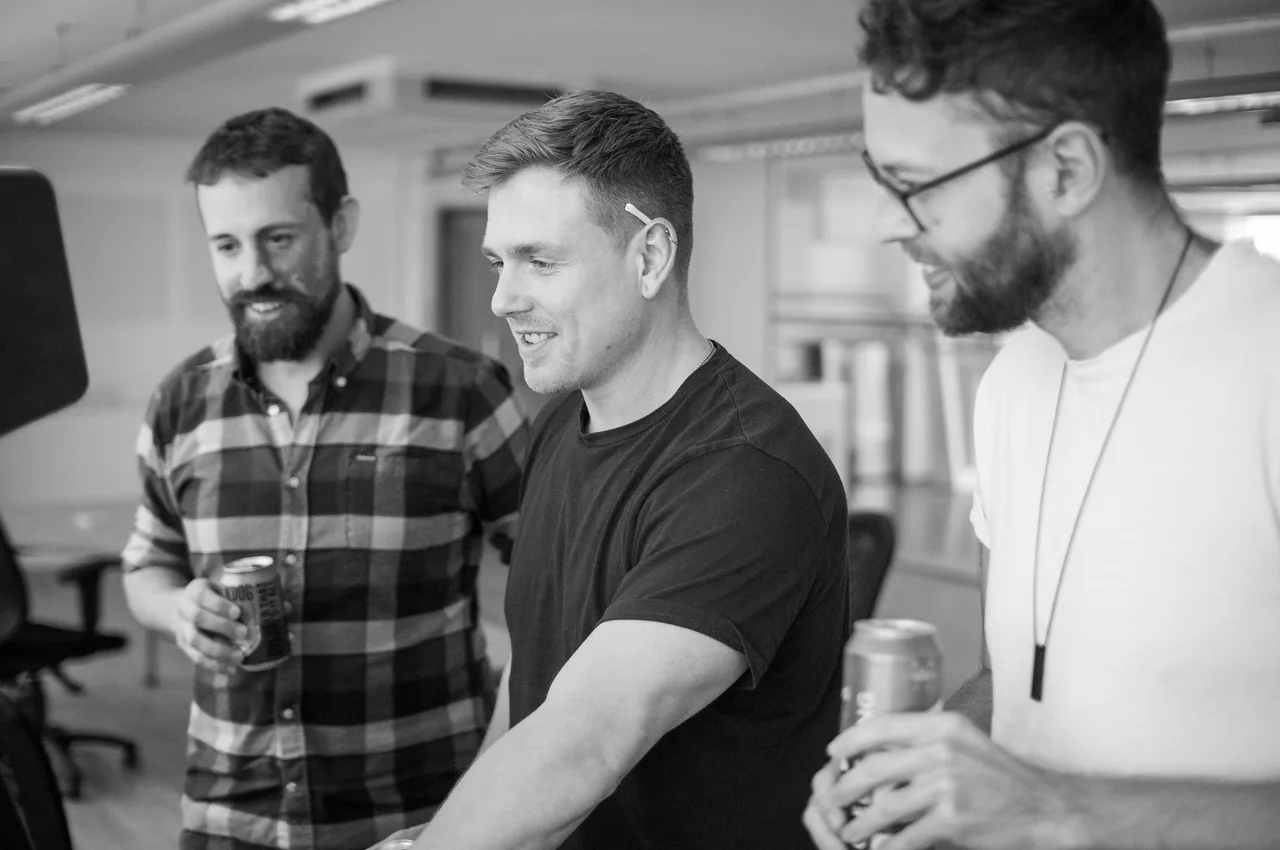 Photo unavailable
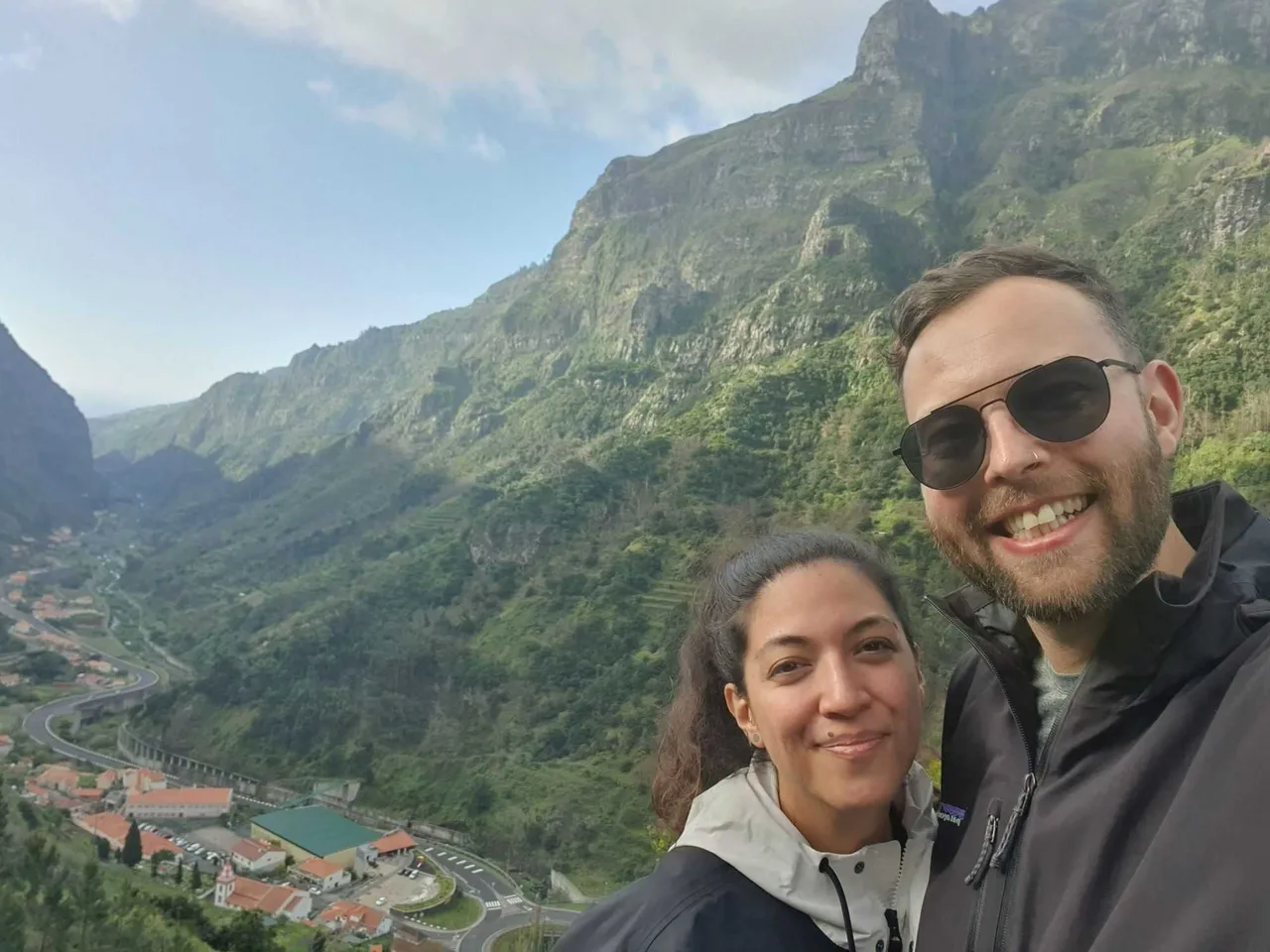 Photo unavailable
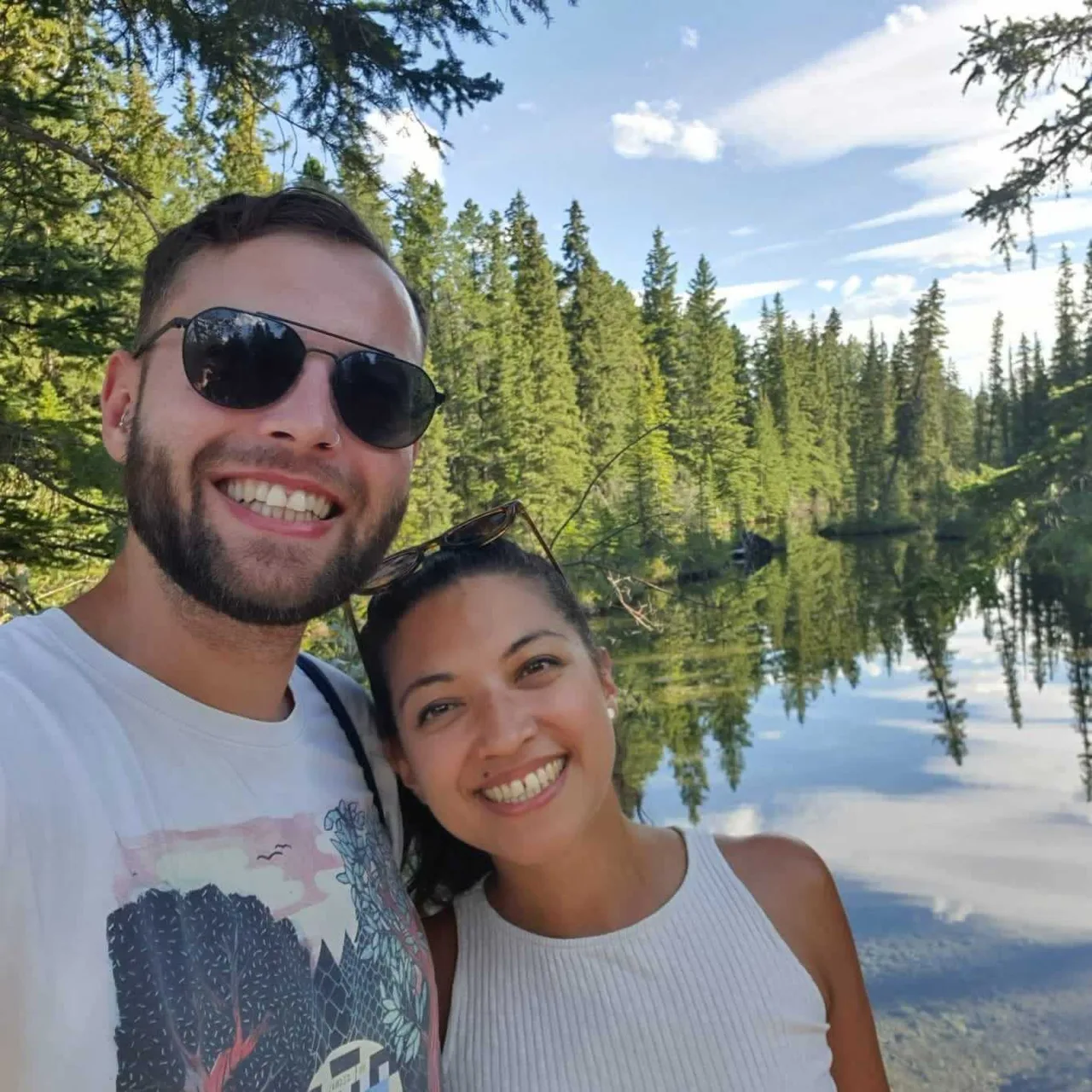 Photo unavailable
The best graphics are outside.
Home is sunny Brighton, on the south coast of England, with my wonderful fiancée Gemma and our cat, Poe.
I spend a lot of my life glued to a screen, so we love to get away when we can. Hiking in nature is our way of resetting our senses: a good walk, some big scenery, and a chance to look at something further away than a monitor.
Music is awesome
I was in a metal band for a few years. I still love all things music: making it, listening to it, discovering wierd niche bands and excitedly showing them to people.
You can check out what I'm listening to over on Spotify in these playlists:
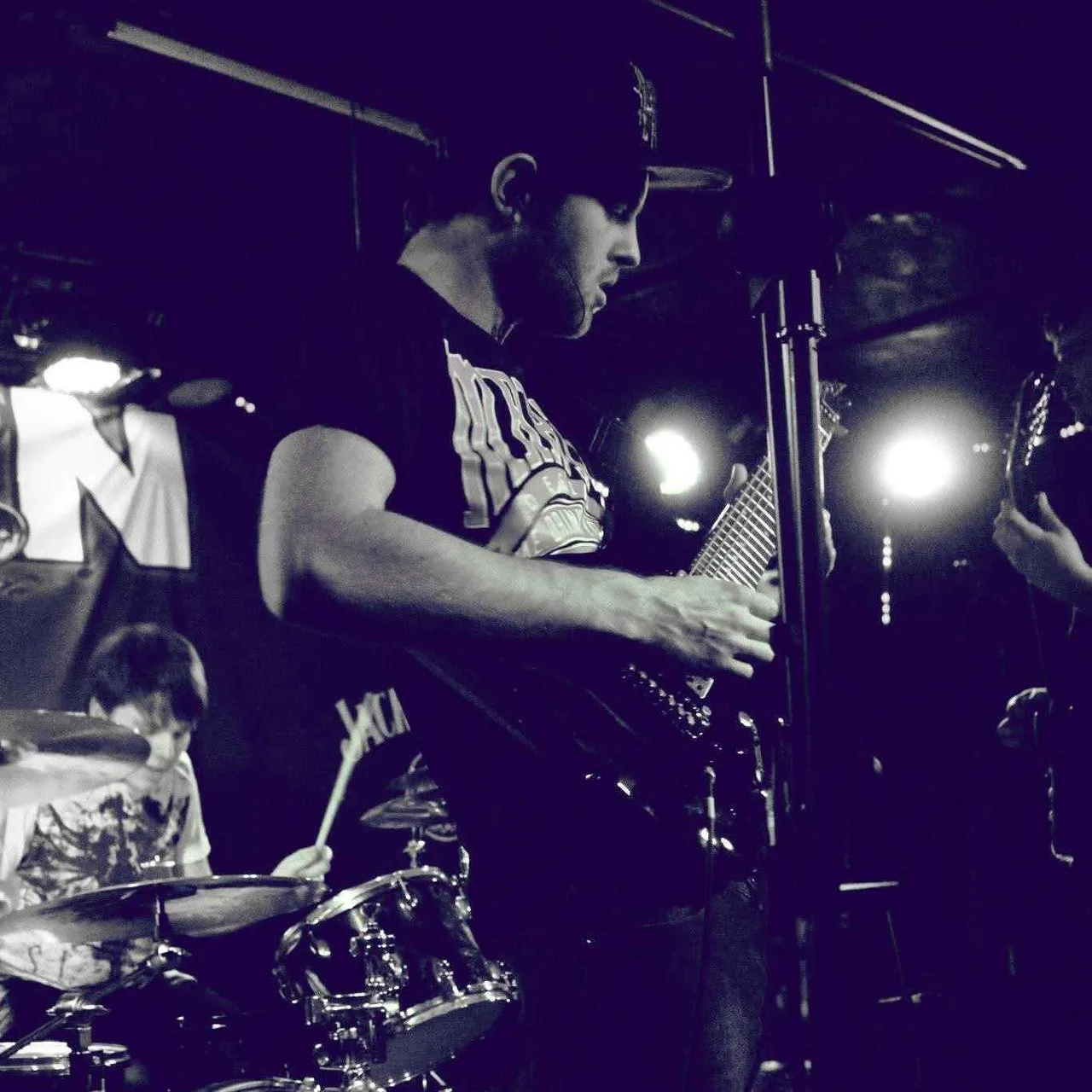 Photo unavailable
A spreadsheet is always a great idea.
We also love cooking healthy, delicious vegan food. But don't worry I geek out about that too. I have spreadsheets that calculate nutrition, rank deliciousness, and factor in how convenient everything is to make.
The real secret ingredient is spreadsheets.
Guiding principles
How I like to work.
I wrote these principles for the dev team at Velocity. They still guide how I build things, solve problems and work with people.
Dev can help
Software and website should be a joy to use. Integrations can transform complex, tedious tasks and workflow into something simple, painless and automated. Technology should make people's lives better, even if it's in tiny ways and places - but developers are uniquely positioned to help figure out solutions to people's problems and show them the art of what's possible.
Your most important role as a developer is to bring this perspective to all the projects you touch. Push things forward and help everyone to win.
Anything is possible — start small but dream big
Most people have met a dev team that acts as a roadblock: every interesting idea gets shot down because it sounds difficult or takes too much effort. That’s a lousy reason not to make something awesome. I believe in teams that says yes to weird and wonderful ideas, and gets excited by things we haven’t done before.
Dream up something incredible, then work backwards from the time and money available. Find the best first version we can build, and work out the phases that could take it further. Sometimes we get to come back; sometimes showing a client the fancier version gets them excited enough to fund it. Keep iterating towards the dream.
Portability = maximum value for everyone
When a solution can help more than one project, make it easy to reuse and build on. Each new piece of work should benefit from what we’ve already learned. That means better value for clients, faster builds, and more time to spend on the interesting parts.
Back end is as important as front end
The people managing a website deserve the same care as the people visiting it. A clear, friendly editing experience makes the team’s everyday work easier and helps them get more from what we’ve built. Care about both sides of the screen.
It’s what you build, not how you build it
Focus on what people can do with the finished thing. Choose the tools and techniques that serve that experience. Start small, get something working, and improve it as you learn. Good craft matters because it makes the result better for the people using it, not because it makes the code prettier or nicer for us to work with.